
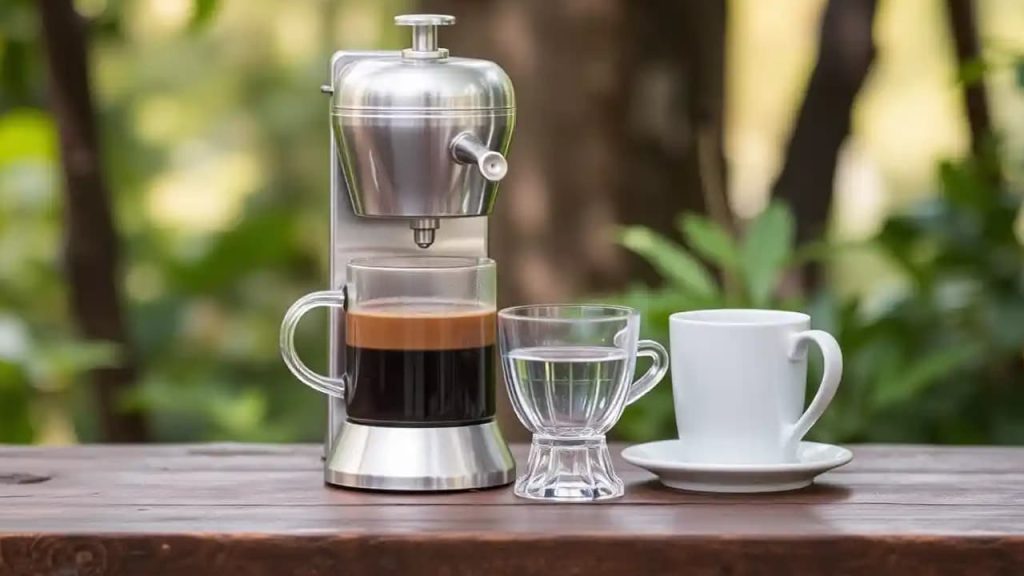
Coffee is one of the most consumed beverages in the world. From espresso shots to creamy lattes, it fuels mornings and keeps conversations flowing. But not everyone wants the jolt of caffeine that comes with it. Enter decaf coffee – the supposedly “healthier” alternative for those wanting the taste of coffee without the buzz. But is decaf really healthier? Or are we just trading one set of risks for another? In this article, we dig deep into the truth behind decaf coffee and separate fact from fiction.
What Is Decaf Coffee, Really?
Before we get into whether it’s healthier or not, it’s important to understand what decaf coffee actually is. Contrary to popular belief, decaf coffee is not completely caffeine-free. In fact, most decaf coffee contains about 2-5 mg of caffeine per 8-ounce cup, compared to 70-140 mg in a regular cup of coffee.
Decaffeination is the process by which caffeine is removed from coffee beans. There are several methods for doing this, including:
-
Solvent-based methods: Use chemicals like methylene chloride or ethyl acetate to strip caffeine.
-
Swiss Water Process: A chemical-free method that relies on water and osmosis.
- Carbon Dioxide Process: Uses CO2 to extract caffeine without affecting flavor.
Each method has its pros and cons, but the presence of chemicals in some decaf methods has raised eyebrows about its health impact.
Myth #1: Decaf Coffee Is 100% Caffeine-Free
This is perhaps the most common myth. The truth is that no decaf coffee is entirely devoid of caffeine. If you’re highly sensitive to caffeine or avoiding it for medical reasons, even the small amount in decaf might cause issues like insomnia, jitteriness, or increased heart rate.
Fact Check: Decaf still contains trace amounts of caffeine. Be cautious if you’re caffeine-sensitive or managing health conditions like hypertension.
Myth #2: Decaf Coffee Is Chemical-Free
Not always. Some decaffeination processes involve the use of solvents, particularly methylene chloride. While the levels of this chemical in decaf coffee are minimal and deemed safe by the FDA, its presence can still be off-putting to health-conscious consumers.
Fact Check: Look for labels that indicate “Swiss Water Process” or “CO2 method” if you want a chemical-free option.
Myth #3: Decaf Coffee: Healthier Than Regular Coffee
This is a nuanced issue. While decaf does reduce caffeine intake – which can be beneficial for people with anxiety, high blood pressure, or sleep disorders – it doesn’t necessarily mean it’s “healthier” overall.
The Pros of Decaf:
-
Lower Caffeine: Better for people sensitive to caffeine or with health conditions.
-
Less Acidic: Gentler on the stomach for people with acid reflux or ulcers.
- Similar Antioxidants: Contains many of the same polyphenols and antioxidants as regular coffee.
The Cons of Decaf:
-
Potential Chemical Residue: Depending on the method used.
-
Nutrient Differences: Some studies suggest decaf may contain slightly fewer beneficial compounds.
- Taste: Often considered inferior to regular coffee due to processing.
Fact Check: Decaf has benefits, especially for those sensitive to caffeine, but it’s not automatically “healthier.” It depends on your individual health needs and how the coffee is processed.
Myth #4: Decaf Coffee Has No Health Benefits
Many people assume that removing caffeine also removes all the beneficial compounds in coffee. That’s not entirely true. Decaf coffee still contains antioxidants like chlorogenic acid and magnesium, which have been linked to various health benefits.
Health Benefits of Decaf Coffee:
-
Heart Health: Some studies suggest it may help reduce the risk of cardiovascular disease.
-
Liver Protection: Decaf has been linked to lower levels of liver enzymes, a marker of liver health.
-
Reduced Risk of Type 2 Diabetes: Both regular and decaf coffee appear to have a beneficial effect on insulin sensitivity.
- Neuroprotective Effects: Though caffeine is the primary compound linked to reduced risk of Alzheimer’s and Parkinson’s, decaf still contains other brain-friendly antioxidants.
Fact Check: Decaf is not devoid of health benefits. It can contribute positively to your overall wellness.
Myth #5: Decaf Coffee Is Safe for Everyone
While decaf is a safer bet for many, it’s not universally risk-free. People with specific allergies or sensitivities might react to compounds left over from the decaffeination process. Also, the acidity in coffee – though slightly reduced in decaf – can still aggravate digestive issues.
Who Should Be Cautious with Decaf?
-
People with IBS or GERD: Even decaf may trigger symptoms.
-
Pregnant Women: Should still monitor caffeine intake, including from decaf.
- Those with Anxiety Disorders: Even low caffeine can be stimulating.
Fact Check: Decaf is generally safe, but not universally so. Always consult with a healthcare provider if you have specific health concerns.
The Environmental and Ethical Angle
Another angle often overlooked in the decaf debate is the environmental and ethical impact. Some decaf methods, particularly those involving chemicals, can be more harmful to the environment. Additionally, not all decaf coffee is sourced from fair-trade or sustainable farms.
How to Choose Ethical Decaf:
-
Look for Organic Labels
-
Opt for Swiss Water Process or CO2 Methods
- Choose Fair Trade Certified Brands
Being a conscious consumer means not only thinking about your health but also the planet and the people behind your cup of coffee.
Does Decaf Affect Mental Performance?
One of caffeine’s well-known benefits is its ability to improve focus, alertness, and cognitive performance. Without caffeine, decaf coffee lacks this stimulating effect. But that doesn’t mean it has zero impact on your brain.
Some studies suggest the aroma and routine of drinking coffee – even decaf – can create a placebo effect that makes people feel more alert. Also, the antioxidants in decaf may support brain health over time.
Fact Check: Decaf won’t give you a mental boost like caffeine, but it may still support long-term cognitive health.
Should You Switch to Decaf?
Switching to decaf depends on your individual needs and lifestyle. Here are some reasons you might consider making the change:
-
You experience anxiety, jitters, or insomnia from regular coffee.
-
You’re pregnant or breastfeeding and want to limit caffeine intake.
-
You have high blood pressure or heart-related issues.
- You’re trying to cut back on caffeine but still love the taste of coffee.
If none of these apply, and you tolerate regular coffee well, there may be no pressing need to switch.
Is Decaf Really Healthier?
So, is decaf really healthier? The answer isn’t black and white. Decaf coffee can be a healthier choice for individuals sensitive to caffeine or with specific health conditions. However, it’s not inherently superior to regular coffee in every way.
What matters most is the quality of the decaf coffee you choose and your personal health profile. Go for chemical-free decaf options, pay attention to sourcing, and most importantly, listen to your body.
Coffee – whether regular or decaf – can be part of a healthy lifestyle when consumed in moderation. Choose what works best for you, not what trends or myths suggest.